From Prompt to Process: What Makes an AI Agent Different from a Chatbot
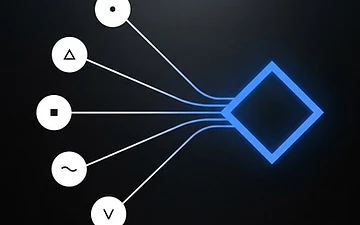
The label 'agentic' is applied unevenly. This explainer separates four forms of software by what they can do on their own — and what oversight each requires.
Explore reporting, research, informed perspectives, and original analysis from The Agentic Editor.
The label 'agentic' is applied unevenly. This explainer separates four forms of software by what they can do on their own — and what oversight each requires.
When an organization deploys an agent to act on its behalf, it extends its own actions — it does not transfer responsibility. Autonomy without accountability is the most dangerous idea in the agent conversation.
A practical, original framework covering use-case selection, data classification, minimum permissions, vendor assessment, approval gates, logging, incident response, review, and retirement — with a governance checklist.
A proposed standard defining the required fields for documenting an agentic workflow: inputs, outputs, tools, permissions, decision points, approval gates, exceptions, logs, ownership, versioning, testing, deployment, monitoring, and rollback.
Before you connect an agent to your calendar, inbox, or records, ask five questions: what it can access, what it can change, who approves consequential actions, what is logged, and how access can be revoked.
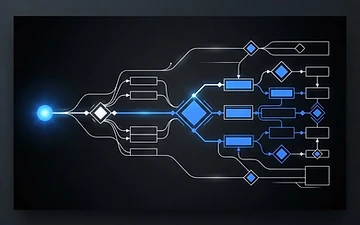
Not every step needs a checkpoint, but the right ones do. A decision matrix for when review can be retrospective, when preapproval fits, and when automation should not proceed.